Surgical Services

Expert surgical care with your pet’s safety and comfort at the heart of everything we do.

We understand that surgery can cause anxiety for pet owners, which is why we prioritize patient safety and comfort.

At, MTCAC, Our skilled veterinary surgeons can perform a range of routine to complex procedures, and our support team is dedicated to providing compassionate and expert care. From check-in to pick-up, you can rest assured your furry pal is in good hands with our team.

Types of Surgical Procedures We Offer
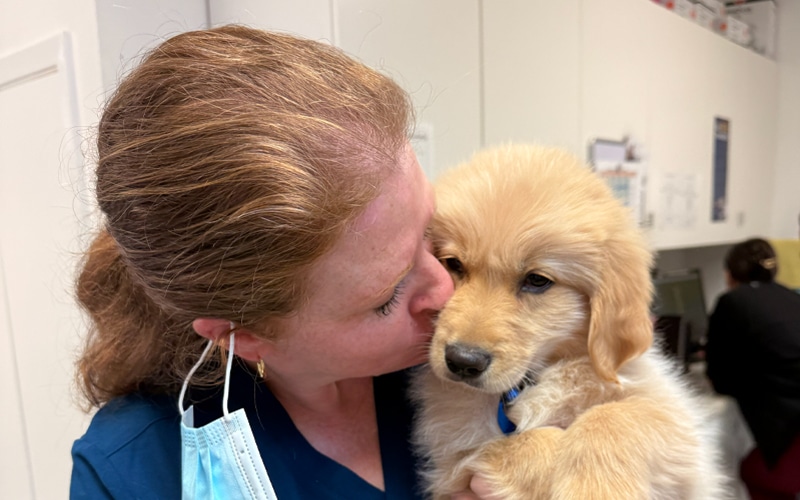
Spay and Neuter

Spaying and neutering are essential procedures for preventing unwanted pregnancies and promoting long-term pet health. While spaying and neutering are elective procedures, we recommend that all pet owners strongly consider them to reduce the risks of reproductive cancers and undesirable hormone-driven behaviors. The American Animal Hospital Association (AAHA) recommends all dogs not intended for deliberate breeding be spayed or castrated. If you decide to use your dog for breeding, you should collaborate with research programs and national breed associations to work toward a healthier breed

Soft tissue surgery

Our veterinary surgeons can perform a wide range of soft tissue surgeries, ranging in complexity from minor mass removals to emergency abdominal procedures. Our team uses modern surgical techniques, advanced monitoring equipment, and trained and experienced team members to ensure pet safety and comfort at all times. Soft tissue surgeries we offer include :

  • Mass removal
  • Wound repairs
  • Cystotomy (stone removal)
  • Splenectomy
  • Foreign body removals (Enterotomy and Gastrotomy)

Orthopedic surgery

We are not set up to perform fracture repair and many advanced orthopedic procedures. Should your pet need this, we have a great relationship with local specialty hospitals, but we have also partner with boarded veterinary surgeon Dr. Michael McFadden, of Houston Mobile Veterinary Surgery.  This allow us to provide exceptional orthopedic care in a primary care setting. These specialized orthopedic procedures can reduce pain and restore function in pets with orthopedic injuries or diseases. Some of the surgeries we offer include:

  • Cranial cruciate ligament repair (TPLO, TTA, lateral suture)
  • Hip repair (FHO, hip replacement)
  • Luxating patella repair
  • Fracture repair
  • Amputation

All of our surgical procedures (as well as dental cleanings) require the patient to be under general anesthesia. There are inherent risks associated with anesthesia, and we understand that this can cause stress and anxiety for the owner. In an effort to ensure that each patient is healthy enough for anesthesia and to minimize the risks as much as possible, a full workup including an exam, blood panel, and imaging if needed are performed on each patient prior to surgery. This blood screening will reduce anesthetic risk by ruling out any internal problems including clotting disorders, liver or kidney dysfunction, and anemia.

Rest assured the safest, most effective, and latest anesthetic and pain control procedures are being utilized. This team is devoted to making sure your pet is as comfortable as possible. At MTCAC, we do everything we can to ensure that the surgery experience is exceptional for you and for your pet. We welcome any and all questions before surgery to help ease any anxieties you may have.
Anesthesia and Monitoring

Surgery FAQs

  • Female and male dogs expected to be under 45 pounds when fully grown should generally be neutered at 5-6 months of age.
  • For male dogs expected to be over 45 pounds, it may be beneficial to postpone neuter until growth is complete, usually between 9 to 15 months. This is due to possible orthopedic concerns and certain cancers in some breeds.
  • For female dogs expected to be over 45 pounds, there are competing risks and benefits of spaying at 5-6 months vs. waiting until fully grown. Work with a veterinarian to help determine the best time for your individual pup.
  • Neutered dogs have longer average lifespans.
  • Female dogs spayed before their first heat cycle minimizes the risk of developing mammary neoplasia (breast cancer) and uterine infections.
  • Neutering male dogs prevents testicular cancer and reduces the risk of prostate gland enlargement.
  • Some pets have better behavior after surgical removal of ovaries or testes, making them better companions. Your male dog will be less likely to escape and roam away from home in search of a mate. He will be less likely to use urine marking indoors. Certain aggression problems may be avoided by early neutering, though neutering is not a simple solution to ongoing behavior problems.
The timing for a spay or neuter procedure depends on your pet’s gender, species, breed, age, and overall health. We follow the AAHA general recommendations. We encourage you to discuss with our veterinarians the timing that best fits your pets needs and that which will give the optimal care to help them live long and happy lives.
On the day of surgery, each patient will be monitored and cared for by a team of three, including a veterinary assistant, veterinary technician, and veterinarian. There will be a veterinary technician by your pet’s side from induction until they fully recover from the procedure. During anesthesia, your pet’s vitals will be monitored and recorded every 5 minutes, (although monitoring is constant), including the heart rate, EKG, respiration, oxygenation, blood pressure, and temperature. An ECG which displays the heart rhythm will also be monitored. Your pet will be on intravenous fluids to maintain the blood pressure and keep all tissues hydrated during the procedure. After the procedure is complete, the patient is slowly awakened by the surgery/anesthesia team. The pet remains here at our hospital for several hours afterward so we can ensure that their recovery is smooth and that they do not go home until they are awake enough to do so.
We perform surgery Monday through Thursday, leaving Friday for emergency procedures if needed.
If your pet has a surgery scheduled with us, it is important that they be fasted after midnight the night before the surgery (this means no food or treats, but they can continue to have access to water). They should also not receive any food or treats on the morning of surgery.
They should be dropped off for surgery during their designated drop-off time, occurring between 7am and 8am, and you should expect to spend 10-15 minutes with the surgery technician to complete the surgery check-in process.
Pets who have elective procedures at MTCAC may go home that same afternoon or stay overnight. We are not a 24 hr facility and we do not have anyone in the clinic after 6 pm overnight. Please discuss with our staff and veterinarians what is the right decision in keeping your pet at the clinic or going home that day.
Your surgery technician will contact you before the procedure to let you know that your pet is entering surgery, and again after the procedure to update you on your pet’s recovery and to let you know what time they will be ready for pick-up.